Table of Contents
Board games have a magical way of transforming ordinary evenings into bursts of laughter, friendly competition, and genuine connection. For casual players – those who enjoy games a few times a month, maybe with family, roommates, or a small group of friends – the world of tabletop gaming can feel both exciting and slightly overwhelming. You want something fun, easy to jump into without hours of study, and crucially, something that won’t require dipping into next month’s grocery budget. The good news? An incredible selection of engaging, high-quality games exists specifically within the accessible under-$30 range, proving you don’t need deep pockets to experience the joy of rolling dice, drawing cards, or building empires together.
Forget the misconception that affordable means boring or poorly made. The modern board game renaissance has flooded the market with clever, beautifully designed experiences that prioritize fun and accessibility over complex rulebooks and hefty price tags. Focusing on this sweet spot under $30 is strategic for casual gamers: it lowers the barrier to entry for trying something new, makes replacing lost pieces less stressful, and allows you to build a versatile collection without financial strain. Whether you’re hosting a relaxed game night, looking for a new date night activity, or simply want a screen-free way to unwind, these budget-friendly options deliver maximum enjoyment per dollar spent. Let’s explore how to find your perfect match.
Top 10 Board Games for Casual Players
Detailed Product Reviews
1. HUES and CUES - Vibrant Color Guessing Board Game for 3-10 Players Ages 8+, Connect Clues and Guess from 480 Color Squares

Overview: HUES and CUES is a dynamic color-association party game where players give one- or two-word clues to guide teammates toward identifying specific hues from a vast grid of 480 colors. Designed for 3–10 players aged 8+, it excels in social settings with rapid, intuitive gameplay.
What Makes It Stand Out: Its genius lies in transforming abstract color perception into collaborative fun—clues like “sunset” or “moldy” spark hilarious debates and creative connections. The sheer variety of color squares ensures no two rounds feel identical, while the simple, inclusive rules make it instantly accessible.
Value for Money: Priced competitively for party games, it outshines cheaper alternatives with exceptional replayability and durable components. The 480-color grid and focus on non-competitive interaction offer more long-term engagement than trivia-heavy games with limited cards.
Strengths and Weaknesses: Strengths: Effortless to learn, scales perfectly for large groups, fosters laughter and teamwork. Weaknesses: Color-blind players may struggle, and competitive strategists might find it too light. Minimal setup is a plus, but the game relies heavily on group chemistry.
Bottom Line: An outstanding choice for family game nights or gatherings, HUES and CUES delivers unique, inclusive fun that bridges generations. Highly recommended for groups seeking lighthearted, creative interaction without complex rules.
2. Azul Asmodee Azul Board Game - Award-Winning Tile-Placement Strategy Game, Beautiful Mosaic Art, Family Fun for Kids & Adults, Ages 8+, 2-4 Players, 30-45 Minute Playtime
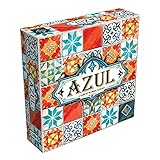
Overview: Azul challenges 2–4 players to draft and place vibrantly colored resin tiles onto personal boards, constructing intricate mosaics while optimizing scoring. This award-winning strategy game blends aesthetic beauty with accessible yet deep mechanics, ideal for ages 8+ in 30–45 minutes.
What Makes It Stand Out: The tactile, high-quality tiles and Portuguese azulejo-inspired artwork create an immersive experience. Its brilliance is in the elegant balance: simple turn structure (draft tiles, place them, score) hides nuanced spatial strategy where one misstep cascades into point losses.
Value for Money: Despite a premium price, Azul justifies cost through exceptional component durability and near-limitless replayability. Unlike cheaper tile games with repetitive patterns, its modular scoring system ensures every match feels fresh, outperforming entry-level alternatives.
Strengths and Weaknesses: Strengths: Stunning visuals, quick to teach but rich in tactics, perfect for families or casual gamers. Weaknesses: Limited player interaction (mostly indirect), and the “negative scoring” mechanic can frustrate new players. Minimal luck keeps focus on skill.
Bottom Line: A timeless modern classic, Azul offers strategic depth wrapped in artistic elegance. It’s a must-have for family game shelves, delivering consistent, satisfying sessions that appeal to both children and seasoned gamers.
3. yamma 4-in-a-Row Game with Wooden Spinning Board, 3D Visual Strategy Experience for Ages 12+, a Quick and Clever Challenge Ideal for Families, Teens, and Casual Players

Overview: Yamma reinvents classic 4-in-a-row with a rotating wooden board and dual-faced cubes, transforming linear strategy into a dynamic 3D spatial puzzle for two players. Aimed at ages 12+, it combines minimalist elegance with cerebral depth in 15-minute matches.
What Makes It Stand Out: The spinning board forces players to rethink tactics after every move—aligning cubes across shifting perspectives adds layers of foresight absent in traditional versions. Premium wooden components and compact design make it a stunning tabletop centerpiece that invites constant play.
Value for Money: Positioned as a premium abstract game, Yamma’s handcrafted build quality and innovative mechanics justify its cost. While pricier than plastic Connect Four sets, its unique gameplay and heirloom durability offer superior longevity for strategy enthusiasts.
Strengths and Weaknesses: Strengths: Gorgeous presentation, lightning-fast setup, and addictive strategic depth. Weaknesses: Strictly 2-player limits group play, and the 3D element has a steeper learning curve than expected. Replayability is high but niche for pure abstract fans.
Bottom Line: A brilliant evolution of a classic, Yamma is perfect for duos seeking a portable, visually striking challenge. Highly recommended for teens and adults who appreciate tactical ingenuity wrapped in artisanal design.
4. Herd Mentality: Udderly Funny Family Board Game | Easy & Fun for Big Groups of 4-20 Players | Includes 20 Extra Exclusive Questions

Overview: Herd Mentality is a riotous social deduction game where players predict how the majority answers quirky questions (e.g., “What’s the worst place to sneeze?”), aiming to avoid the “pink cow of doom” by blending in. Built for massive groups (4–20 players) aged 10+.
What Makes It Stand Out: Its magic is in revealing hilarious group dynamics—answers like “inside a spacesuit” spark uproarious debates. The included 20 bonus questions extend replay value, while the majority-vote mechanic ensures everyone stays engaged, even in large crowds.
Value for Money: An exceptional deal for group entertainment, outperforming trivia games that require smaller teams. The extra questions add meaningful content, and the game’s simplicity means no wasted time on rules—maximizing laughter per dollar.
Strengths and Weaknesses: Strengths: Effortless setup, wildly inclusive for parties/holidays, and endlessly replayable. Weaknesses: Shallow strategy may bore hardcore gamers, and humor relies on group personality (some questions fall flat). Minimal components risk wear over time.
Bottom Line: The ultimate icebreaker for gatherings, Herd Mentality guarantees laughter with zero complexity. A top pick for families, holidays, or casual game nights where fun trumps fierce competition.
5. Gamewright - Forbidden Island - Cooperative Strategy Survival Board Game, 2-4 Players
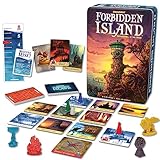
Overview: In Forbidden Island, 2–4 players collaborate as adventurers racing to recover sacred treasures from a sinking island before it vanishes. This cooperative strategy game, designed for ages 10+, emphasizes teamwork over competition in tense 30-minute sessions.
What Makes It Stand Out: Unlike competitive games, players must strategize together—sharing limited actions while managing rising water levels creates thrilling urgency. The immersive theme, vivid artwork, and variable island layout ensure each playthrough feels uniquely challenging and cinematic.
Value for Money: Offers remarkable depth for its price, outclassing cheaper cooperative titles with superior production and replayability. The focus on communication builds family bonds, making it a worthwhile investment for educational fun beyond screen time.
Strengths and Weaknesses: Strengths: Brilliant cooperative mechanics, fosters critical thinking, and scales well for mixed ages. Weaknesses: High difficulty may frustrate young children, and the “sinking” mechanic can feel punishing. Limited player count caps group size.
Bottom Line: A masterclass in cooperative play, Forbidden Island is essential for families seeking strategic, screen-free bonding. Its tension and teamwork focus make it a perennial favorite for game nights.
6. I should have known that! - A Trivia Game About Things You Oughta Know, Green
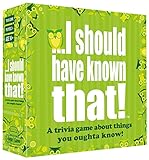
Overview: This compact trivia game targets teens and adults (14+) with a humorous twist, focusing on “common knowledge” facts players should theoretically know. Hailing from Poland and packing into a small 6"x6"x2" box, it promises quick, social gameplay for two or more participants, leveraging embarrassment and shared groans as core entertainment. What Makes It Stand Out: Its unique angle lies in the self-deprecating theme—questions target mundane, culturally assumed knowledge (e.g., “How many sides does a stop sign have?”), creating relatable, laugh-out-loud moments when players inevitably draw blanks. The minimalist design emphasizes portability and spontaneous play without complex setup. Value for Money: Priced accessibly for its size, it offers solid replayability through its curated question set. While lacking the production depth of premium games, it excels as a low-cost icebreaker or filler for game nights, outperforming digital trivia apps in tangible, shared fun. Strengths and Weaknesses: Strengths: Highly portable, instantly engaging, sparks lively conversation. Weaknesses: Limited question variety may lead to repetition; lacks strategic depth; niche humor won’t resonate with all groups. Minimal components feel sparse. Bottom Line: An ideal, affordable party-starter for casual gatherings where lighthearted mockery is welcome, though trivia enthusiasts seeking depth should look elsewhere. Perfect for quick laughs but not long-term replay.
7. Unstable Games Twisted Cryptids Board Game - Strategy Card Game for Adults and Kids - Family Board Games for 2-4 Players, Ages 12 and Up - from The Creators of Unstable Unicorns and Here to Slay

Overview: From the makers of Unstable Unicorns, this cryptid-themed card game delivers light strategy for 2–4 players (12+). Players collect cryptid cards while using “take-that” action cards to sabotage opponents, all within a 60-minute session featuring hidden trait mechanics and thematic creature meeples. What Makes It Stand Out: The lenticular, spooky box art and cryptid lore (Nessie, Bigfoot) create immersive shelf appeal. Its genius lies in balancing simplicity with cutthroat fun—easy to learn but layered with bluffing and tactical card combos, enhanced by high-quality tarot-sized cards and adorable meeples. Value for Money: Competitively priced against similar strategy games, it justifies cost through durable components and strong replayability. Expansion packs (e.g., Cryptid Culture) extend longevity, making it a smart investment for fans of accessible, interactive card games. Strengths and Weaknesses: Strengths: Engaging “take-that” mechanics, superb components, scalable difficulty, excellent theme integration. Weaknesses: Can feel chaotic for strategy purists; expansions are needed for true freshness; luck-dependent draws occasionally overshadow skill. Bottom Line: A must-have for casual gamers seeking dynamic, thematic fun with strategic bite. Its polish and expansions cement it as a top-tier party-strategy hybrid, highly recommended for families and game-night regulars.
8. Everdell Board Game – Strategic Worker Placement & Tableau Building Game for Adults & Teens, 1–4 Players, Age 14+, Award-Winning Tabletop Fantasy Game

Overview: Everdell is a critically acclaimed worker placement and tableau-building game where players construct a woodland city beneath the Ever Tree using charming critter characters. Designed for 1–4 players (14+), it blends strategic depth with a serene fantasy aesthetic across 40–60 minute sessions. What Makes It Stand Out: Its magical theme—squirrels building libraries, hedgehogs trading goods—is elevated by breathtaking artwork, premium components (including a 3D Ever Tree), and seamless integration of mechanics. The game’s elegance lies in how it scales from approachable for beginners to deeply strategic for veterans. Value for Money: Priced premium but justified by exceptional production quality and near-universal acclaim. Outshines cheaper alternatives with its replayability (via variable setups) and longevity, offering more depth per dollar than most mid-weight strategy games. Strengths and Weaknesses: Strengths: Stunning visuals, intuitive yet deep gameplay, superb component quality, high replay value. Weaknesses: Setup time can deter casual players; resource management may overwhelm newcomers; limited direct player conflict reduces cutthroat appeal. Bottom Line: An essential purchase for strategy and theme lovers. Everdell’s harmonious design and beauty make it a cornerstone of any serious board game collection, deserving its top-ranked status and strong recommendation.
9. Exploding Kittens Really Loud Librarians 2+ Players - Ages 8+ - 20 Minutes to Play - Fast Paced Word Shouting Board Game - Party Game, Family Game Night, Kid and Adult Card Game

Overview: This rapid word game from Exploding Kittens challenges players to shout category-based words within a time limit. For 2+ players (8+), it features a race-track board where shouting correct words moves your librarian meeple toward victory in energetic 20-minute rounds. What Makes It Stand Out: Pure, chaotic fun defines this title—its genius is in the screaming requirement, transforming simple word recall into a hilarious, high-energy spectacle. The compact box includes diverse category cards (60+) and tactile components (letter tiles, chain timer) that fuel non-stop interaction. Value for Money: Excellent for its price point, offering massive entertainment per minute. It outperforms pricier party games by delivering instant accessibility and scalable intensity, whether for two kids or a rowdy adult group, with zero downtime. Strengths and Weaknesses: Strengths: Incredibly fast setup/play, universally engaging, adaptable for all ages, minimal rules. Weaknesses: Repetitive after extended play; volume may frustrate in quiet settings; lacks strategic depth beyond quick recall. Bottom Line: A near-perfect party game for quick, uproarious fun. Highly recommended for families and social groups seeking zero-prep, high-energy entertainment—though not for the noise-averse.
10. Asmodee Carcassonne Board Game - Classic Tile-Laying Strategy Game, Family Fun Medieval Adventure for Kids & Adults, Ages 7+, 2-5 Players, 35 Minute Playtime
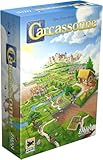
Overview: A timeless tile-laying classic, Carcassonne invites 2–5 players (7+) to collaboratively build a medieval landscape by placing illustrated tiles and claiming features (cities, roads) with meeples. This reissued edition features a streamlined rulebook and the The River mini-expansion. What Makes It Stand Out: Its enduring appeal stems from elegant simplicity—place a tile, optionally place a meeple—and emergent strategy. The beautiful artwork and tactile wooden meeples create instant immersion, while the revised rules make it exceptionally accessible for young or new gamers. Value for Money: A standout in value; its low price, durability, and near-limitless replayability (via variable tile combinations) dwarf modern competitors. The included mini-expansions add subtle depth without complexity, maximizing enjoyment per dollar. Strengths and Weaknesses: Strengths: Effortless to learn, deeply strategic yet family-friendly, stunning components, perfect for all ages. Weaknesses: Limited player interaction; luck-heavy tile draws can frustrate; expansions needed for true variety. Bottom Line: An indispensable gateway game and family favorite. Carcassonne’s perfect blend of simplicity and sophistication earns it a wholehearted recommendation as a must-own board game cornerstone.
Understanding the Casual Gamer’s Sweet Spot
Defining “Casual” in the Board Game World
Casual gaming isn’t about skill level; it’s about frequency and intent. It means games you pull out regularly without needing a dedicated hobbyist’s knowledge, designed for quick setup, intuitive rules, and play sessions that fit comfortably within a typical evening – usually 30-60 minutes. These games prioritize social interaction and immediate fun over deep strategy or lengthy commitments, making them ideal for mixed groups where not everyone is a seasoned player.
Why the Under-$30 Threshold Matters
Sticking to a $30 maximum is more than just budgeting; it fundamentally shapes the experience. This price point encourages impulse buys and experimentation, allowing you to test different genres without significant risk. It also reflects games often designed with mass-market appeal and durability in mind, using components that withstand frequent use by diverse groups. For casual players building a starter collection, this range offers incredible value per play, ensuring your investment pays off in countless shared moments.
The Importance of Replayability on a Budget
When you’re not spending $60+ on a single game, replayability becomes non-negotiable. Look for mechanisms that create variability: modular boards that change layout, card-driven actions that offer different combinations each time, or simple drafting systems. Games that feel fresh after multiple plays maximize your dollar and keep your group coming back, preventing that “played it once” shelf fate that plagues less dynamic titles.
Key Features to Prioritize for Casual Play
Streamlined Rules and Quick Setup Times
The hallmark of a great casual game is getting to the fun fast. Prioritize titles with rulebooks that can be explained in under 5 minutes and setups taking less than 2. Components should be intuitive – clear iconography, minimal fiddly bits. If the first 10 minutes are spent deciphering rules, the casual magic is lost before it begins. Look for phrases like “learn in minutes, play for hours” as a positive signal.
Balanced Player Interaction Without Griefing
Interaction is key to social engagement, but for casual groups, it should foster playful banter, not bitter resentment. Favor games with positive interaction (trading, cooperative elements, light negotiation) or indirect competition (set collection, area majority) over direct “take-that” mechanics that can feel personal. The goal is shared laughter, not arguments that sour the evening.
Visual Appeal and Component Quality That Lasts
Don’t underestimate the power of appealing art and sturdy components, even on a budget. Vibrant, clear artwork aids comprehension and creates an inviting table presence. Check if cards are thick enough to shuffle reliably, tokens feel substantial, and boards are durable. Cheap, flimsy components that tear or bend after a few plays destroy value, no matter how clever the design.
Navigating Different Game Mechanics for Fun
Card-Driven Games: Versatility in a Box
Card games often dominate the budget bracket for good reason. They offer incredible variety – from fast-paced trick-taking to strategic set collection – in compact, portable packages. Look for decks with unique player powers or variable starting setups to enhance replayability. The low component count usually means lower production costs, translating directly to that sweet under-$30 price tag while delivering deep, engaging gameplay.
Dice-Chucking Delights: Luck with Strategic Twists
Roll-and-write or dice-placement games provide instant tactile satisfaction and quick rounds. The best casual options add meaningful decisions: where to place your dice, which scoring track to pursue, or when to reroll. This blend of luck and light strategy keeps everyone involved, creates exciting moments of tension, and ensures outcomes feel earned, not purely random, making repeated plays enjoyable.
Tile-Laying Adventures: Building Worlds Simply
Games where players draw and place tiles to construct maps or patterns are fantastic for casual groups. The physical act of placing a tile is inherently satisfying and easy to grasp. Simple spatial reasoning or matching mechanics provide gentle mental engagement without overwhelming complexity. Watching the shared game space evolve creates a natural focal point for conversation and collective investment in the outcome.
Practical Considerations for Your Collection
Player Count Flexibility is Crucial
Casual game nights are rarely perfectly predictable. Prioritize games that scale well across a range, ideally accommodating 2-4 players comfortably, with many handling 5 or even 6 without significant rule changes. Avoid titles that only shine at one specific count (like rigid 3-player only games) unless you always have that exact group size. Flexibility ensures the game gets played, not left on the shelf.
Storage and Portability for Real Life
Consider where and how you’ll store and transport your games. Compact boxes that fit on a standard bookshelf are essential for casual collections that might live alongside books or movies. Games that fit in a backpack or tote bag open up possibilities for game nights at friends’ houses, cafes, or even vacations. Avoid games requiring massive inserts or excessive external storage – simplicity wins for casual play.
Ease of Teaching: The Gateway to More Plays
The easiest game to teach is the one that gets played most often. Favor games with a single core mechanism that everything else branches from. Visual aids on the board or cards, color-coding, and clear turn structure drastically reduce teaching time. A game you can demo in two minutes while handing out components is a casual player’s best friend, encouraging spontaneous game sessions instead of lengthy tutorials.
Maximizing Value and Longevity
Assessing True Cost Per Play
The real measure of a budget game isn’t its sticker price, but its cost per enjoyable play session. A $25 game played 50 times costs just 50 cents per play – an incredible value. When evaluating options, consider how likely your group is to reach for it repeatedly. High replayability, quick playtime, and broad appeal are the biggest drivers of this crucial metric for casual gamers.
Considering Expandability vs. Standalone Strength
While some games offer expansions, resist the urge to buy a base game hoping an expansion will fix it. For casual play, the base game under $30 must deliver complete, satisfying fun on its own. Only consider expandable systems if the core experience is rock-solid and the expansion genuinely enhances, rather than patches, the gameplay. Most casual gems are perfectly complete in one box.
The Durability Factor: Beyond the Initial Hype
Read reviews specifically mentioning component longevity. Does the board warp? Do card sleeves become necessary immediately? Are thin cardboard tokens prone to bending? A game that falls apart after six plays offers terrible value, regardless of initial cost. Look for publishers known for solid budget lines – many have mastered producing resilient games at this price point.
Building Your Starter Collection Wisely
Matching Games to Your Group’s Personality
Are your friends competitive but good-natured? Cooperative puzzle games might fall flat. Do you have a mix of ages? Extremely abstract or text-heavy games could alienate some. Observe your group’s dynamics: do they love laughter and chaos, thoughtful puzzles, or creative storytelling? Choose mechanics that resonate with your specific social energy for guaranteed enjoyment.
Starting Small: Quality Over Quantity
Resist the urge to buy five cheap games at once. Invest in one or two truly excellent, versatile titles that hit all the marks (easy rules, great replayability, solid player count). Mastering and loving these builds confidence and excitement. Once you know your group’s preferences, adding complementary games becomes much easier and more targeted.
Where to Look Beyond the Big Box Stores
While big retailers offer convenience, explore local game stores (LGS) for expert advice tailored to casual play and potential demos. Online retailers often have deeper selections in this price bracket, especially for newer releases or specific genres. Check publisher websites directly for sales on older editions – sometimes the best values are found there.
Frequently Asked Questions
How can I be sure a cheap game won’t feel “cheap”?
Focus on recent releases from reputable publishers known for quality at lower price points. Read reviews specifically mentioning component durability and rule clarity. Look for games using standard card sizes and avoiding overly thin cardboard tokens. A well-designed game in this range prioritizes essential, sturdy components over excessive plastic miniatures.
Are games under $30 usually only for 2 players?
Not at all! Many excellent budget games shine with 3-4 players, which is the most common casual group size. Always check the recommended player count range, but prioritize games explicitly stating they work well across 2-4 or 2-5 players. Avoid games where the 2-player variant feels like an afterthought.
Can these budget games handle being played by kids?
Absolutely, many are perfect for families. Look for games with lower complexity ratings (often listed as 1.5/5 or 2/5) and shorter playtimes. Games with bright artwork, simple actions (roll, move, collect), and minimal reading are ideal. Always check the age recommendation, but remember it’s often conservative; a 10-year-old might handle a “12+” game with simple mechanics.
Do I need special accessories like card sleeves for these games?
It depends on the card quality. Many modern budget games use decent card stock that withstands regular shuffling without sleeves, especially if handled carefully. However, if you play very frequently or have younger players, sleeves can significantly extend the life of the deck. Check reviews for mentions of card quality – thin, flimsy cards almost always need sleeves.
How important is the game’s theme at this price point?
Theme serves the mechanics, not the other way around for casual play. A strong, intuitive theme (like building a fruit orchard or exploring a dungeon) makes rules easier to remember and the game more immersive. Avoid games where the theme feels tacked-on or confusing; the best budget games use theme to enhance the core, simple gameplay loop.
Will these games get boring after a few plays?
High replayability is key at this price. Look for games with variable setups (different starting cards, modular boards), multiple paths to victory, or player-driven variability (like drafting different cards each game). Games relying solely on luck often lose appeal quickly; those offering meaningful, though simple, decisions tend to stay fresh longer.
Can I find truly cooperative games under $30?
Yes! The cooperative genre has many fantastic budget-friendly entries. These games pit the group against the game system itself, fostering teamwork and shared problem-solving – perfect for casual, non-confrontational fun. Look for titles emphasizing shared decision-making and accessible puzzle-solving within the time and complexity constraints of the price point.
How do I know if the rules are actually easy to learn?
Seek out rule summaries or “how to play” videos online before buying. Look for descriptions like “rules taught in 5 minutes” or “intuitive mechanics.” Games using consistent iconography and minimizing text on components are generally easier. Avoid games whose rule explanations mention “exceptions” or “special cases” upfront – simplicity is king for casual play.
Are there good two-player options in this range?
Definitely! Two-player dynamics are well-served under $30. Look for head-to-head strategy games (often abstract or card-based), competitive co-op hybrids, or elegant roll-and-writes. Many games designed for larger groups also include robust, balanced two-player variants specifically crafted for that experience, not just an afterthought.
What’s the biggest mistake casual players make when choosing budget games?
Buying based solely on looks or a cool theme without considering the core mechanics and playtime. A beautiful box hiding a complex, slow game is a recipe for disappointment. Always prioritize how the game plays – the flow of turns, the decisions involved, and the overall pace – ensuring it matches your group’s desire for quick, accessible fun. Read about the experience, not just the components.
See Also
- 10 Best Budget Board Games Under $30 for Casual Players in 2026
- 10 Best Budget Modern Board Games Under $30 for New Players in 2026
- 10 Best Budget Board Games Under $30 for New Collectors in 2026
- 10 Best Budget Dungeons & Dragons Games Under $30 for Beginners in 2026
- 10 Game-Changing Puzzle Board Games for Advanced Players in 2026