Table of Contents
Gather ‘round the table, because game night magic doesn’t have to vanish when the budget gets tight. We’ve all been there: lured by a brightly colored box promising hours of laughter, only to watch cardboard pieces warp after the first use or rules that feel like deciphering ancient hieroglyphics. It’s frustrating – that dream of cozy family connection shattered by flimsy components and confusing mechanics. But what if you could consistently find games that spark genuine joy, withstand repeated play, and actually fit your wallet? The good news is, affordability and quality aren’t mutually exclusive in the board game world; it’s all about knowing where to look and what truly matters.
Forget the myth that you need to splurge hundreds to get a great experience. The modern board game landscape is bursting with clever designs that prioritize smart manufacturing and engaging gameplay over expensive gimmicks. In 2026, with thoughtful consideration, families can build a vibrant collection that offers incredible replay value without breaking the bank. This isn’t about settling for “good enough” – it’s about becoming a savvy shopper who recognizes genuine value, understands what makes a game endure, and knows how to match the right game to their family’s unique rhythm and ages. Let’s dive into the essential strategies for building a beloved, budget-friendly game library.
Top 10 Affordable Family Board Games
Detailed Product Reviews
1. Hasbro Gaming Yahtzee Game, Fast-Playing Dice Games for Kids, Teens, and Adults, Strategy Games, Family Games for Kids, 2 or More Players, Ages 8 and Up

Overview: Hasbro’s Yahtzee is a timeless dice game blending luck and strategy, designed for 2+ players aged 8 and up. Players roll five dice over multiple turns, aiming to achieve specific combinations like straights, full houses, or the coveted five-of-a-kind Yahtzee to maximize their scorecard total. Its simplicity makes it a staple for family game nights. What Makes It Stand Out: The game’s enduring appeal lies in its perfect balance of accessibility and tactical depth. The fast-paced nature (typically 15-30 minutes per game) and the thrilling risk-reward decisions—like whether to chase a Yahtzee bonus—create universal engagement. The compact scorepad and dice are travel-friendly, requiring no setup. Value for Money: Priced affordably (usually under $15), Yahtzee offers exceptional longevity compared to complex board games. Its durability and replayability far exceed cheaper party games, while costing less than premium strategy titles. It’s a budget-friendly investment for endless family entertainment. Strengths and Weaknesses: Strengths: Extremely easy to learn; quick gameplay sessions; encourages strategic thinking; highly portable; fosters friendly competition. Weaknesses: Heavy reliance on luck can frustrate strategy-focused players; scorepad requires replacement; lacks visual excitement beyond dice rolling. Bottom Line: Yahtzee remains a must-have family game due to its perfect blend of simplicity, strategy, and portability. Its low cost and universal appeal make it an outstanding choice for introducing game nights to any household.
2. Hasbro Gaming Trouble Board Game for Kids Ages 5 and Up 2-4 Players

Overview: Trouble is a classic race-to-the-finish board game where 2-4 players move pawns around a track, aiming to be the first to get all pieces “home.” Its signature Pop-o-Matic die roller—a transparent bubble players pop to roll—makes setup effortless and adds tactile fun, especially for young children aged 5+. What Makes It Stand Out: The iconic Pop-o-Matic bubble is the star, eliminating lost dice and providing satisfying physical interaction that captivates kids. The optional Power Up Spaces add strategic depth for older players, while the straightforward “roll and move” rules ensure immediate accessibility for preschoolers. Value for Money: At a modest price point (around $10-$15), Trouble delivers exceptional value through sheer durability and re-playability. Its simple mechanics outlast trendier games, and the bubble mechanism rarely fails, making it a cost-effective staple for family collections compared to flimsier alternatives. Strengths and Weaknesses: Strengths: Bubble roller is engaging and functional; near-instant setup; rules are intuitive for young children; supports up to 4 players; highly durable board. Weaknesses: Gameplay is luck-dominant with minimal strategy; repetitive for older kids/adults; bubble can occasionally jam with rough handling. Bottom Line: Trouble is an unbeatable introductory board game for preschoolers, thanks to its iconic bubble and effortless play. Its affordability and charm make it a worthwhile addition for families seeking reliable, screen-free fun.
3. Sorry! Board Game for Kids Ages 6 and Up; Classic Hasbro Board Game; Each Player Gets 4 Pawns; Family Game
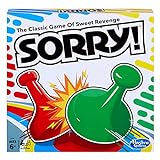
Overview: Sorry! is a vibrant race game where 2-4 players move four pawns each from start to home using drawn cards. The twist? Players can send opponents’ pawns backward via “Sorry!” slides or direct collisions, creating chaotic, high-energy competition ideal for ages 6 and up. What Makes It Stand Out: The game thrives on its “sweet revenge” mechanic—sliding into opponents’ paths or bumping them back to start injects playful chaos. The blend of card-driven movement (with varied actions like “4” or “10” steps) and spatial strategy on the board creates constant, interactive tension. Value for Money: Priced similarly to other classic board games ($15-$20), Sorry! offers remarkable value through its intense player interaction and longevity. Its ability to engage multi-generational groups during game night surpasses many modern titles at double the cost, ensuring frequent use. Strengths and Weaknesses: Strengths: Highly interactive with minimal downtime; easy to grasp but offers tactical depth; durable components; excellent for teaching turn-taking; supports 2-4 players well. Weaknesses: Luck-heavy due to card draws; “bumping” can frustrate sensitive players; game length varies significantly with player count. Bottom Line: Sorry! delivers unmatched, laughter-filled rivalry for families. Its blend of simplicity and strategic chaos makes it a top-tier choice for game nights, justifying its price through consistent, energetic enjoyment.
4. Do You Really Know Your Family? A Fun Family Game Filled with Conversation Starters and Challenges - Great for Kids, Teens and Adults
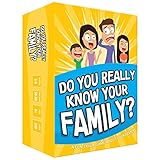
Overview: This unique card game replaces dice or boards with 200+ prompts and challenges designed to spark meaningful conversations and laughter among family members. Players answer personal questions (“What’s my most embarrassing habit?”) or complete silly dares, revealing hidden quirks and strengthening bonds for ages 8+. What Makes It Stand Out: Unlike traditional board games, it focuses entirely on interpersonal connection through thoughtfully crafted, open-ended questions that avoid awkwardness. The mix of lighthearted challenges (“Do your best impression of Mom”) and reflective prompts (“What’s a family tradition you love?”) caters to diverse ages and personalities. Value for Money: At $20-$25, it’s pricier per play than mass-market board games but offers exceptional value through emotional ROI. The reusable cards facilitate countless sessions, making it more cost-effective than one-off activities. It’s invaluable for families seeking deeper connection beyond screen time. Strengths and Weaknesses: Strengths: Fosters genuine communication and empathy; adapts seamlessly to any group size/age; zero setup required; creates lasting memories; inclusive for shy participants. Weaknesses: Lacks structured competition; effectiveness depends on group willingness to engage; not suitable for very young children under 8. Bottom Line: This game is a revelation for families wanting authentic connection. Its investment in emotional enrichment far outweighs its cost, making it an essential tool for modern households prioritizing meaningful interaction.
5. Hasbro Gaming Connect 4 Classic Grid,4 in a Row Game,Strategy Board Games for Kids,2 Player .for Family and Kids,Ages 6 and Up
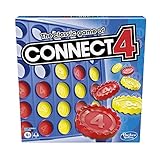
Overview: Connect 4 challenges two players to drop colored discs into a vertical grid, racing to align four-in-a-row horizontally, vertically, or diagonally. Hasbro’s Classic Grid edition features a sleek, modern design with vibrant colors, targeting ages 6+ for quick, strategic duels. What Makes It Stand Out: The game’s brilliance is in its deceptive simplicity—easy enough for young children to grasp yet deep enough to develop spatial reasoning. The updated aesthetic (cool-toned grid) and three gameplay modes—including “Pop Out” (ejecting bottom discs)—add fresh tactical layers to the timeless concept. Value for Money: Priced around $10, it’s a steal for a durable, endlessly replayable strategy game. Outlasting electronic toys and complex board games, its compact size and zero setup make it ideal for travel or impromptu matches, offering far more longevity per dollar than novelty games. Strengths and Weaknesses: Strengths: Instant setup and rules comprehension; sharpens critical thinking; portable; three variants extend play; high-quality grid resists tipping. Weaknesses: Strictly two-player; first-mover advantage can feel pronounced; discs may stick in humid conditions; minimal visual flair beyond the grid. Bottom Line: Connect 4 remains the gold standard for accessible strategy games. Hasbro’s refreshed Classic Grid edition delivers flawless, brain-teasing fun at an unbeatable price, earning its spot as a family essential.
6. zeyce Tic Tac Toe Board Game,Tic Tac Toe Family Game, Classic Board Game, Classical Family Board Game,Children’s Tic Tac Toe Game, Plastic tic tac Toe Game, Board Size 15 X 15 cm

Overview: This compact plastic Tic Tac Toe set offers a durable, portable take on the classic strategy game, designed specifically for children and family interaction. Its small footprint and lightweight resin construction make it ideal for on-the-go play. What Makes It Stand Out: The vibrant colors and distinct shapes (beyond standard X/O) actively engage young children, enhancing shape and color recognition skills while promoting fine motor development. Its waterproof, worry-free material and included refund policy add significant peace of mind for parents seeking safe, educational toys. Value for Money: Priced affordably as a niche children’s game, it delivers excellent value. While basic wooden sets exist, the intentional educational design, portability, and included customer service surpass cheaper novelty versions, justifying its cost for targeted developmental play. Strengths and Weaknesses: Strengths: Excellent portability; strong educational focus for toddlers/preschoolers; durable, non-toxic material; encourages parent-child bonding. Weaknesses: Limited strategic depth for older kids/adults; small pieces pose a slight choking hazard for very young children; simplistic compared to multi-game sets. Bottom Line: A superb introductory strategy game for young children, effectively combining fun, cognitive development, and convenience. Highly recommended for parents seeking an affordable, educational travel toy under $10.
7. WHAT DO YOU MEME? Family Edition by Relatable, Now with Refreshed Content - Kids Games 8+, Family Games for Kids and Adults, The TikTok Viral Sensation, Includes 300 Caption Cards, 108 Photo Cards

Overview: This family-friendly adaptation of the viral meme card game replaces edgy humor with age-appropriate content, allowing kids 8+ and adults to collaboratively create hilarious memes using photo and caption cards. What Makes It Stand Out: It successfully translates the app-based meme phenomenon into wholesome, screen-free family interaction. The “judge’s preference” mechanic fosters understanding of diverse humor, while the sheer volume of cards (408 total) ensures near-limitless replayability and laughter during game nights. Value for Money: Competitively priced against similar party games, its extensive card count and refreshed, inclusive content offer significant longevity. It outperforms generic card games by providing a culturally relevant, engaging experience that bridges generational gaps without compromising on fun. Strengths and Weaknesses: Strengths: Exceptional replay value; fosters creativity and social interaction; perfect for mixed-age groups; easy to learn; high-quality cards. Weaknesses: Humor can still feel subjective or miss the mark for some; requires 3+ players to shine; less strategic than classic board games. Bottom Line: A brilliantly executed, modern party game that delivers consistent, inclusive fun for families. Its ability to generate genuine laughter and connection makes it a top-tier investment for family game nights, easily justifying its price point.
8. Monopoly Game, Family Board Games for 2 to 6 Players & Kids Ages 8 and Up, Includes 8 Tokens (Token Vote Edition)
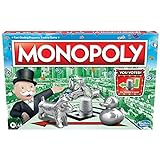
Overview: This Token Vote Edition revitalizes the iconic property-trading game, letting fans choose their favorite tokens via a community poll, featuring classics like the Rubber Ducky and Penguin alongside staples like the Race Car. What Makes It Stand Out: The curated token selection taps directly into fan nostalgia while modernizing the aesthetic. It retains the core, satisfying loop of buying properties, building houses/hotels, and charging escalating rent that defines Monopoly’s enduring appeal for family strategy sessions. Value for Money: As a perennial bestseller, it offers solid value. The inclusion of eight distinct, high-quality tokens and reliable components justifies its standard price against older editions. While digital versions exist, the tangible board experience and social negotiation remain unmatched for group play. Strengths and Weaknesses: Strengths: Timeless, engaging gameplay; strong social/strategic elements; excellent token variety; durable components; ideal for 2-6 players. Weaknesses: Game length can be excessive; luck-heavy elements frustrate strategy purists; potential for player elimination causing boredom. Bottom Line: A reliable, well-executed version of a board game essential. Despite inherent flaws in the classic design, its social dynamics and updated tokens make it a worthwhile purchase for families seeking a traditional, competitive game night staple.
9. Hasbro Gaming Scrabble Board Game, Classic Word Games for Kids Ages 8 and Up, Fun Family Game for 2-4 Players, The Classic Crossword Game
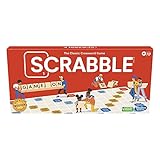
Overview: This edition delivers the authentic Scrabble experience with premium wooden tiles and racks, challenging players to craft high-scoring words on a textured board for classic vocabulary-based competition. What Makes It Stand Out: The use of wooden tiles and racks elevates the tactile experience significantly over plastic counterparts, enhancing durability and the satisfying “clack” of placing words. The textured board prevents tiles from sliding, crucial for intense, multi-round gameplay. Value for Money: Priced competitively within the premium board game segment, the wooden components offer superior longevity and aesthetic appeal compared to budget sets. It’s a worthwhile investment for word enthusiasts, outperforming cheaper versions that feel flimsy over time. Strengths and Weaknesses: Strengths: High-quality wooden components; authentic, intellectually stimulating gameplay; excellent for vocabulary building; timeless appeal across generations; includes strategic tips. Weaknesses: Can disadvantage younger/spelling-challenged players; setup is slower than card games; limited to 4 players max. Bottom Line: The definitive choice for a classic word game, offering unmatched quality and enduring educational value. Highly recommended for families and word lovers seeking a durable, engaging game that fosters learning and connection.
10. Spoons Games - Card Game, Deck of Cards, Fun Family Game for Kids and Adults, 3-5 Player Card Game, Ages 7+, Red, Yellow, Green, Blue

Overview: This ready-to-play set transforms the popular folk card game into a convenient package, featuring a custom deck, four colorful plastic spoons, and simple rules for fast-paced matching and grabbing fun. What Makes It Stand Out: The inclusion of dedicated, vibrant spoons solves the biggest hurdle of playing Spoons casually (finding actual spoons!), while the compact deck is perfect for travel. Its simplicity ensures instant setup and understanding, making it accessible for very young players. Value for Money: Exceptional value for a niche game. The complete, portable kit (cards + spoons) is priced lower than many standard card decks, eliminating the need for improvisation. It outshines buying components separately and justifies its cost through pure convenience and durability. Strengths and Weaknesses: Strengths: Effortless setup and rules; incredibly portable; perfect party/group icebreaker; included spoons are game-changer; high replayability. Weaknesses: Very short individual rounds; minimal strategic depth; spoons can be noisy/distracting; limited player count (3-5). Bottom Line: An unbeatable package for this specific, chaotic card game. Its completeness, portability, and instant fun make it a must-have for quick family entertainment or travel, offering tremendous value for its low price point.
Defining “Affordable” in Today’s Market
Understanding what “affordable” truly means for your family is the crucial first step. It’s not just about the sticker price; it’s about value per play and long-term enjoyment.
Beyond the Price Tag: Calculating True Value
Focus on cost-per-play rather than the initial investment. A slightly higher-priced game that gets pulled out weekly for years offers far better value than a cheap game that gathers dust after two plays. Consider how often your family realistically plays and how many players the game accommodates consistently.
Factoring in Longevity and Durability
Affordability hinges on how long the game lasts. Assess the quality of components: thick cardboard tokens, sturdy boards, and clear rulebooks signal a game built to withstand enthusiastic family play. Flimsy cards or thin plastic pieces often mean a short lifespan, forcing you to replace the game sooner – ultimately costing more.
Considering the Whole Family’s Budget
“Affordable” is deeply personal. Define your comfortable spending range before you shop. Is it under $20, $30, or $40? Stick to this limit to avoid impulse buys that strain your finances, even if the game seems perfect. Remember, building a collection takes time; one great game per season is better than several mediocre ones at once.
Essential Quality Markers for Budget-Conscious Buyers
Knowing what to inspect physically and understand conceptually separates fleeting cheap thrills from lasting value. Don’t be fooled by flashy packaging alone.
Scrutinizing Component Quality Up Close
Whenever possible, examine the game in-store. Feel the weight of the box (lighter often means thinner materials). Check the thickness of cards – they shouldn’t bend easily. Look at the board surface; a smooth, non-scratchy finish is ideal. Inspect miniature components for sharp edges or excessive fragility.
Evaluating Rulebook Clarity and Accessibility
A beautifully written, well-organized rulebook with clear examples is non-negotiable for family harmony. Look for step-by-step setup guides, illustrated examples of play, and a concise reference section. Confusing rules lead to frustration and abandoned games, negating any initial savings. Check online if the rulebook PDF is available before buying.
Assessing Gameplay Depth vs. Complexity
High quality doesn’t mean overwhelming complexity. The best affordable family games offer meaningful choices and strategic depth that scales with player age and experience, without requiring a PhD to understand. Look for games where the core loop is simple to grasp but offers room for clever play as players become familiar.
Matching Games to Your Family’s Unique Dynamics
The perfect affordable game for one family might be a dud for another. Honesty about your group’s preferences and capabilities is key to avoiding wasted money.
Navigating the Age Range Minefield
Manufacturer age recommendations are a starting point, but consider your specific children’s maturity, attention spans, and reading levels. A game labeled “8+” might frustrate a literal-minded 7-year-old but delight a strategic 6-year-old. Look for games with adjustable rules or difficulty levels explicitly mentioned.
Balancing Player Count Realities
Be realistic about how many people actually play together regularly. A fantastic 2-4 player game is worthless if your family of five tries to force it. Prioritize games that accommodate your typical group size comfortably. Many excellent budget games shine with 3-5 players, the most common family configuration.
Aligning with Your Family’s Play Style
Do you crave quick, silly laughs? Prefer thoughtful strategy? Enjoy cooperative challenges? Knowing your family’s collective taste prevents buying a tense negotiation game when you all love lighthearted roll-and-move fun. Watch gameplay videos (focusing on actual families, not just reviewers) to gauge the atmosphere.
Maximizing Replayability on a Budget
The holy grail of affordable gaming is finding titles that stay fresh play after play. High replay value is the ultimate cost-saver, making even a mid-priced game feel like a steal.
The Power of Variable Setup and Scenarios
Games that change significantly each time you play through different starting conditions, modular boards, or scenario cards offer immense longevity. This built-in variety prevents the “same old thing” feeling that kills replayability, especially crucial for keeping kids engaged long-term.
Embracing Games with Evolving Strategies
Look for mechanics where multiple paths to victory exist. If players can adopt different roles, pursue varied objectives, or employ diverse tactics, each session feels distinct. This strategic depth encourages repeated plays as players experiment with new approaches, squeezing maximum value from the purchase.
Cooperative Mechanics: Shared Investment in Success
Cooperative games, where players work together against the game system, often boast incredible replayability. Overcoming the game’s challenges as a team fosters bonding, and variable difficulty levels or modular systems keep the experience fresh. They also eliminate the frustration of constant competitive losses for younger players.
Smart Shopping Strategies for Savvy Families
Finding quality without overspending requires a proactive approach. Knowing where and how to look opens doors to incredible value beyond the standard retail markup.
Leveraging Library Resources and Game Cafes
Your local library is a goldmine for affordable family gaming. Many now have robust board game collections you can borrow for free. Similarly, family-friendly game cafes often let you try games before you buy. This is the absolute best way to test if a game clicks with your group without financial risk.
Timing Purchases for Maximum Savings
Learn the retail cycle. Major holidays often see sales, but also watch for end-of-season clearances (especially after the post-holiday slump) and store anniversary events. Sign up for newsletters from reputable game stores (online and local) to get notified of sales on slightly older, but still excellent, titles.
Exploring the Secondhand Market Safely
The pre-owned market (via trusted local game stores, dedicated online marketplaces, or community groups) offers phenomenal value. Focus on games known for durability. Always check listings carefully for component completeness and condition, and prioritize sellers with good ratings. Starter sets of popular card games are often plentiful and cheap secondhand.
Understanding Modern Manufacturing Shifts
The board game industry constantly evolves, and 2026 brings nuances that impact affordability and quality. Being aware helps you spot true value.
How Inflation Impacts Component Choices
Rising material costs have pushed some publishers towards thinner cardboard or fewer miniatures, even in mid-range games. This makes component inspection more critical than ever. However, many smart designers respond by focusing gameplay on cards and tokens (cheaper to produce well) rather than elaborate miniatures.
The Rise of Print-and-Play as a Gateway
High-quality, affordable print-and-play (PnP) games are more accessible than ever. While requiring a printer and some assembly, excellent PnP titles offer near-retail quality for a fraction of the cost, often as digital downloads. They’re perfect for testing a game concept before potentially buying a physical copy later.
Digital Companions Enhancing Physical Games
Don’t dismiss games that use a simple free app for setup, scoring, or scenario generation. These “app-assisted” games can reduce physical component costs (saving you money) while adding significant replayability and ease of use, making complex rules more accessible for families.
Building a Cohesive, Budget-Friendly Collection
Start small and build intentionally. A few versatile, high-replay games create more joy than a shelf full of forgotten novelties.
Prioritizing Core Mechanics Over Themes
While themes attract kids, focus on the underlying gameplay mechanics (roll-and-write, set collection, worker placement-lite). Games sharing similar core mechanics are easier for families to learn and transition between, maximizing the utility of your collection. A strong set-collection game often serves a family better long-term than a flashy but shallow themed game.
Creating Balance Across Play Styles
Aim for variety within your affordable collection: one quick filler game (15-20 mins), one medium-weight strategy game (30-45 mins), and one cooperative or storytelling game. This ensures you always have the right tool for the occasion, whether it’s a short weeknight session or a relaxed weekend afternoon.
The “One In, One Out” Rule for Sustainability
To avoid clutter and maintain focus on quality, adopt a simple rule: when you add a new game to your collection, donate or sell an older one that no longer gets played. This keeps your library fresh, manageable, and ensures every game earns its place on the shelf.
Frequently Asked Questions
How can I tell if a cheap board game has good components without buying it?
Check detailed unboxing videos online, look for high-resolution photos on retailer sites focusing on cards and tokens, and read reviews specifically mentioning component quality. Libraries and game cafes are also perfect for hands-on inspection before purchase.
Is it worth buying games from discount stores like dollar stores?
Generally, proceed with caution. While you might find a rare gem, components are often extremely thin cardboard and rules are frequently poorly translated or confusing. These games rarely withstand more than a few plays, making them poor value long-term despite the low price.
Do expensive games always offer better quality than affordable ones?
Not at all. Many mid-priced ($25-$40) and even some budget games ($15-$25) offer exceptional component quality and design rivaling much pricier titles. High price often reflects elaborate miniatures or massive player counts, not necessarily better core gameplay or durability for family use.
How important are game reviews for finding affordable quality?
Read reviews critically, focusing on aspects relevant to your family: component durability mentions, clarity of rules, actual playtime with kids, and replayability observations. Ignore reviews solely focused on complex strategy if you need simple family fun. Look for reviewers who specify playing with children.
Can card games offer the same family experience as board games?
Absolutely! Many excellent, affordable family games are card-based (deck builders, trick-taking, cooperative card games). They often feature high replayability, compact storage, and surprisingly deep strategy, with components (cards) that are inherently durable if stored properly.
What’s the biggest mistake families make when buying budget board games?
Impulse buying based solely on theme or low price without considering component quality, rule complexity, or actual player count suitability. Taking the time to research or try a game first prevents disappointment and wasted money.
Are cooperative games truly more replayable for families?
They often are, especially with mixed-age groups. Working together reduces competitiveness that can upset younger players, and variable difficulty/scenarios in good co-ops provide lasting challenge. However, some families thrive on healthy competition, so know your group’s preference.
How can I find games suitable for both young children and adults?
Look for games explicitly designed with “family weight” in mind, often featuring variable rules (simpler for kids, more complex for adults). Roll-and-write games, dexterity games, and certain cooperative titles frequently bridge this gap well. Always check the minimum age recommendation realistically.
Should I avoid games with lots of small pieces for young kids?
Yes, for children under 6 or prone to mouthing objects, prioritize games with larger components to avoid choking hazards. Many excellent family games use larger cards, chunky tokens, or wooden pieces suitable for younger players – check the age warning symbols carefully.
What’s the single best piece of advice for building an affordable family game library?
Start small. Buy one versatile, highly-rated game known for durability and replayability within your budget. Master it, play it often, and then consider adding another. A deep collection of two beloved games creates more joy than a shallow shelf of ten forgotten ones. Patience pays off.
See Also
- 10 Affordable Board Games for Kids That Don’t Sacrifice Quality in 2026
- 10 Best Family Board Games for 6-Year-Olds That Keep Everyone Engaged in 2026
- 10 Best Family Board Games After 6 Months of Testing in 2026
- Top 10 Best Family Board Games for Game Night with Kids in 2026
- The 10 Ultimate Best Party Board Games for Family Gatherings in 2026